
Maintenance Planning
How is elevator maintenance frequency determined?
Two elevators of the same type can work under very different conditions. Their maintenance planning should reflect how they are actually used.
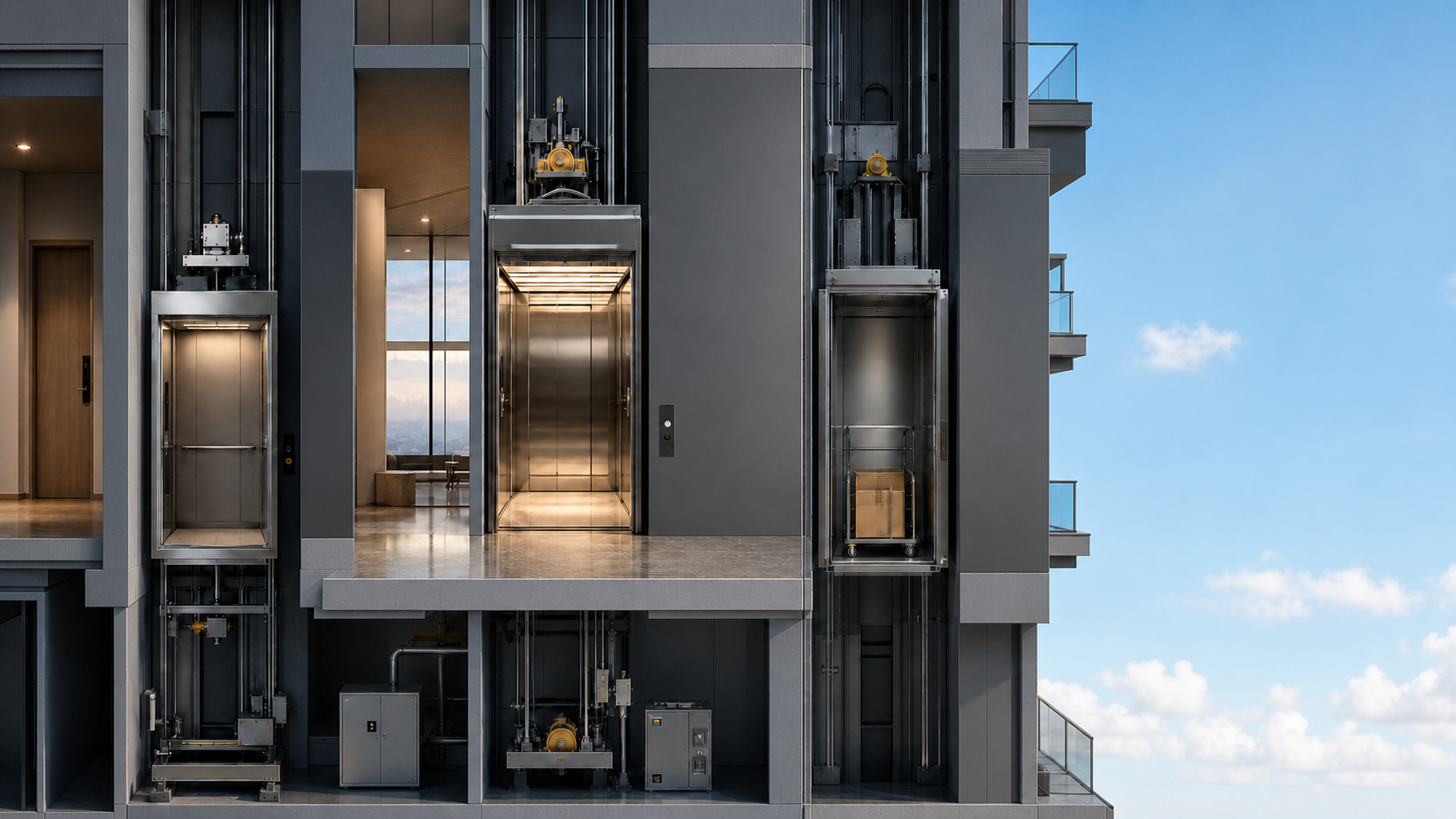
Maintenance planning starts with real operating conditions
Traffic level, number of journeys, door cycles, environment and building function all affect component workload. Applicable requirements set the baseline, while service history helps refine what should receive closer attention.
Traffic and building function
A busy office, hospital, hotel and residential building have different operating rhythms. Door systems and moving components may accumulate cycles at very different rates.
Technical condition and age
The system design, component condition, previous interventions and availability of parts should be considered together. Age by itself does not define an effective plan.
Use records to update the plan
Recurring door behavior, noise, vibration, error logs and breakdown calls provide evidence. The maintenance scope should be reviewed when these patterns change.
Frequently asked questions
Is the same frequency used for every elevator?
No. Mandatory requirements are combined with traffic, building type, technical condition and records. Identical models may operate under different loads.
Why does traffic affect maintenance?
High-use systems complete more door and travel cycles, which can change wear patterns and the points that need closer monitoring.
Does the periodic inspection date determine maintenance frequency?
No. Inspection and maintenance are different processes. Inspection findings are useful evidence, but the maintenance plan also considers use and service history.